
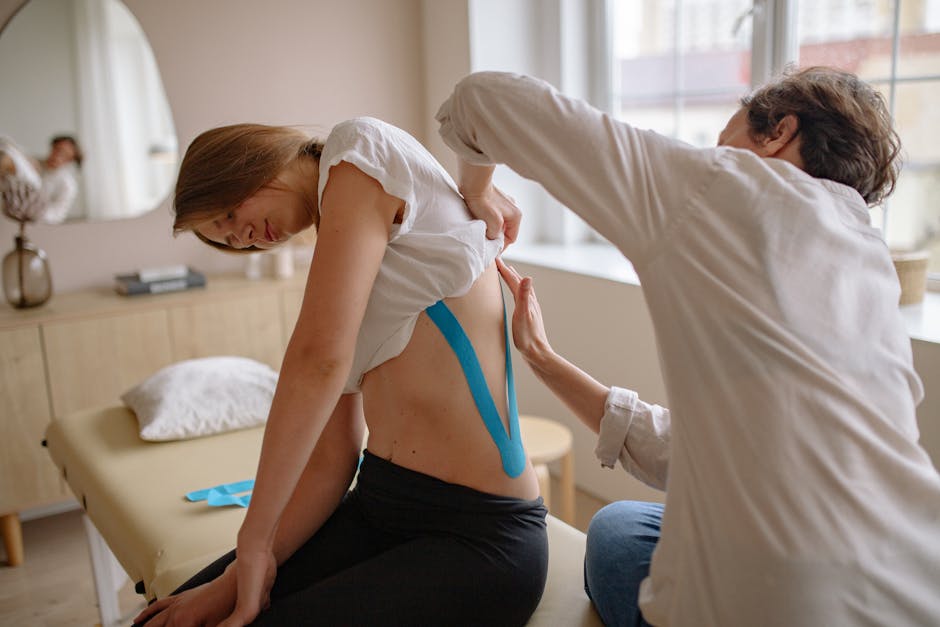
Back pain is an all-too-familiar reality for many residents in Lancaster, NY. Whether it’s from shoveling snow in the winter, gardening all spring, or the physical demands of local manufacturing jobs, knowing what to do when discomfort strikes can make all the difference. One of the most common questions I hear as a chiropractor is: Should you use ice or heat for back pain? Let’s break down the science—and what works best for our local lifestyle—so you can get back to enjoying all that Lancaster has to offer.
Understanding Back Pain: Acute vs. Chronic
Before deciding on ice or heat, it’s crucial to determine what kind of back pain you’re dealing with:
- *Acute back pain*: Sudden, sharp pain often caused by injury, heavy lifting, or overexertion.
- *Chronic back pain*: Persistent discomfort that lasts for weeks or months, often due to posture, degenerative changes, or repetitive stress.
Knowing the difference will help Lancaster residents choose the right approach, whether from an afternoon spent at Como Lake Park or a day working in the yard.
Ice Therapy: When and How to Use It
Ice (cryotherapy) is best for acute injuries. When you suffer a sudden twinge—maybe from shoveling a heavy driveway snowbank—it’s usually a sign of inflammation. Ice helps by:
*Reducing inflammation and swelling
*Numbing sharp pain
Slowing down nerve impulses, which decreases pain signals
How to Apply Ice Properly:
- Use a cold pack, bag of peas, or a towel-wrapped ice pack.
- Apply for 15-20 minutes at a time, with at least an hour between applications.
- Never put ice directly on your skin—wrap it to prevent frostbite.
When NOT to Use Ice:
If your back pain is chronic (lasting more than a few days), ice may not provide much relief and can even worsen stiffness in some cases.
Heat Therapy: When Heat is the Better Choice
For Lancaster residents with lingering low back pain after a long winter, or for those with stiffness after hours behind the wheel on I-90, heat can be a game-changer.
Heat (thermotherapy) works by:
*Nurturing blood flow to sore muscles
*Relaxing tight, stiff muscles
Easing tension and promoting flexibility
How to Apply Heat Properly:
- Use a heating pad, hot water bottle, warm towel, or even a hot shower.
- Apply for 15-20 minutes (and make sure the temperature is pleasant, not scorching).
- Moist heat often penetrates better than dry—try a damp towel warmed in the microwave.
When NOT to Use Heat:
Do not use heat for recent injuries or visible swelling, as it can increase inflammation.
Lancaster, NY Lifestyle: Tailoring Your Approach
Living in Lancaster means adapting to western New York’s unique seasons—icy winters, wet springs, and plenty of outdoor fun. Back injuries here are often seasonal:
- Winter: Snow shoveling and icy sidewalks lead to sudden strains—reach for ice first.
- Spring/Summer: Gardening or home improvement can cause recurring aches—choose heat to keep muscles limber.
- Year-Round: Factory work, school athletics, or everyday posture issues may benefit from alternating ice and heat.
When in doubt, start with ice for new injuries and heat for lingering aches.
Common Mistakes to Avoid with Ice and Heat
Whether you’re treating pain at home in Lancaster or anywhere else, there are several common pitfalls:
- Applying ice or heat too long (risking skin damage)
- Using extreme temperatures (think: scalding or freezing—not necessary!)
- Ignoring persistent pain that doesn’t respond to home care (it’s time to visit a chiropractor or health professional)
- Applying heat immediately after an injury (can make swelling worse)
- Applying ice to stiff, chronic pain (might worsen the stiffness)
What If Your Back Pain Doesn’t Go Away?
Most back pain in Lancaster, NY responds well to conservative care, especially with the right use of ice or heat. But if your pain:
- Lasts longer than a week
- Worsens over time
- Radiates down the leg
- Is accompanied by numbness or weakness
It’s time to consult your chiropractor or healthcare provider. Professional evaluation can rule out serious issues and create a safe, personalized plan for recovery.
Home Remedies Beyond Ice and Heat
For residents interested in more than just hot and cold packs, there are gentle home remedies that pair well with local Lancaster lifestyles:
- Gentle stretching or yoga (try classes at community centers or online)
- Mindful posture checks—especially after working from home or long car rides
- Supportive shoes (for long days at Lancaster’s parks or Farmer’s Market)
- Ergonomic workstation adjustments
Prevention Tips for Lancaster Residents
Preventing back pain is key to enjoying life in Lancaster. Here’s how to minimize your risk:
- Warm up before shoveling, gardening, or playing sports
- Use proper lifting techniques
- Stay active year-round—even when the snow piles up
- Listen to your body—take breaks and avoid “pushing through” acute pain
The Takeaway: Ice, Heat, and Listening to Your Body
To recap, the best treatment for back pain depends on how and when you were injured:
- Use ice for sudden injuries and the first 24-48 hours after acute pain begins.
- Use heat for muscle aches, stiffness, or chronic issues once swelling has gone down.
- If unsure, or if pain isn’t improving, consult a local chiropractor or healthcare provider.
Lancaster, NY residents are known for their resilience and activity—it only makes sense to give your back the care it deserves. With the right hot or cold therapy and other prevention strategies, you’ll be back out there enjoying Western New York, pain-free.
